Running a small business today means competing online as well as offline. Many customers begin their search on Google before they choose a product or service. If your website does not appear in search results, potential customers may never discover your business. This is where search engine optimization (SEO) becomes important. It helps websites appear higher in search engine results and attract visitors without paid advertising.
Learning the SEO Basics for Small Business can transform how customers find your brand online. When your site appears near the top of search results, more people click your website link. These visitors often become leads, subscribers, or customers. For small businesses with limited budgets, SEO offers a reliable way to grow visibility without spending heavily on advertising.
SEO works by helping search engines understand your website content. Google and other search engines analyze your pages and decide which websites are the most helpful for a specific search query. If your content answers questions clearly and provides useful information, your website is more likely to rank higher in search results.
Small businesses benefit from SEO because it builds long-term growth. Instead of paying for ads every time someone clicks your link, SEO brings visitors through organic traffic. Over time, this traffic can grow steadily as your website gains authority.
The key to success is consistency. A strong small business seo strategy focuses on useful content, proper website structure, and understanding customer search behavior. By applying simple SEO practices and staying patient, even a small company can compete with larger brands online and attract steady website visitors.
Read More: 5 Expert Tips for a Winning International SEO Strategy
Keyword Research and Choosing the Right Search Terms
Every successful SEO plan begins with strong keyword research. Keywords are the words and phrases people type into search engines when they want information, products, or services. If your website uses the same terms that customers search for, your chances of appearing in search results increase.
One of the most important parts of the SEO Basics for Small Business is identifying search terms that match your business offerings. Instead of guessing what people search for, business owners should analyze real search behavior. This helps create content that answers real questions and solves customer problems.
Small businesses often perform better by targeting specific and less competitive search terms. These keywords usually have lower competition and bring visitors who are ready to take action.
Helpful tools for keyword discovery include:
• Google Keyword Planner
• Ubersuggest
• SEMrush
• Moz Keyword Explorer
When selecting keywords, focus on phrases that clearly describe your products and services. Also consider the questions customers often ask before making a purchase. These search queries often reveal valuable content opportunities. For example, instead of targeting a broad keyword like “marketing,” a small business might target phrases like “marketing services for local restaurants” or “affordable marketing strategy for startups.”
Another key tip in SEO Basics for Small Business is to organize keywords based on search intent. Some users search for information while others are ready to buy. Creating content that serves both types of searches improves visibility and attracts a wider audience. By choosing the right keywords and placing them naturally in your website content, you build a strong foundation for long-term search engine success.
Creating Valuable Content That Attracts Organic Traffic
Content plays a major role in successful SEO. Search engines aim to deliver the most helpful information to users. If your website provides clear answers and useful guidance, it becomes more likely to rank higher in search results. This is why content creation is a core principle of SEO Basics for Small Business.
High-quality content helps build trust with both readers and search engines. It also increases the chances of attracting organic traffic. Visitors who find helpful content are more likely to stay longer, explore other pages, and return in the future.
When creating website content, focus on solving customer problems. Your goal should be to educate, inform, and guide your audience rather than promote products. Helpful articles, guides, and tutorials can make your website a valuable resource for your industry.
Some useful content formats include:
• Blog posts explaining common problems
• Step-by-step guides and tutorials
• Frequently asked questions
• Case studies and customer stories
• Educational videos and visual content
Another important practice is to integrate keywords naturally into your content. Your headings, descriptions, and paragraphs should include relevant search phrases without sounding forced. A smart small business seo strategy also involves updating content regularly. Search engines prefer fresh information. When you add new insights or update outdated statistics, your content becomes more relevant.
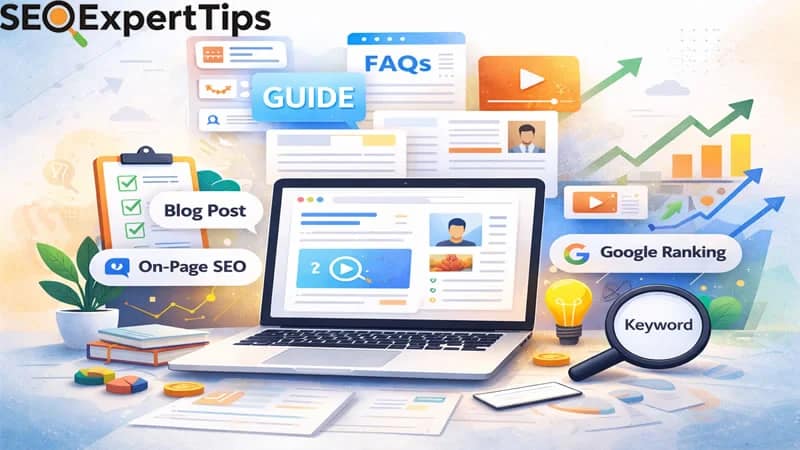
Content should also be structured clearly so readers can scan it easily. Use headings, short paragraphs, and bullet lists where necessary. Clear formatting improves the user experience and helps search engines understand your page structure. When small businesses focus on helpful content rather than promotion, they naturally attract more readers and build stronger online visibility.
On-Page SEO Techniques to Improve Website Visibility
On-page SEO focuses on improving individual pages of your website so they rank higher in search results. These improvements help search engines understand your content and determine whether it matches user search queries. Mastering these techniques is an important part of SEO Basics for Small Business.
One of the most important elements of on-page SEO is using keywords correctly in your page structure. Search engines analyze titles, headings, and descriptions to understand what a page is about. When these elements clearly reflect your topic, your content becomes easier to index.
Key on page SEO elements include:
• Title tags that describe your page topic
• Meta descriptions that summarize the content
• Clear headings using H1, H2, and H3 structure
• Image alt text that explains visuals
• Internal links connecting related pages
Another important factor is page readability. Search engines favor content that is easy to understand and well-organized. Short sentences and simple explanations improve engagement and reduce bounce rates.
Internal linking also plays a major role in search engine optimization (SEO). When pages link to related topics within your site, it helps search engines crawl your website structure more efficiently. It also encourages visitors to explore additional content. Page speed and mobile usability also affect rankings. A website that loads quickly and works well on mobile devices provides a better experience for users.
Businesses that follow the SEO Basics for Small Business often see improvements by simply optimizing their existing pages. Updating titles, improving descriptions, and organizing headings can significantly improve visibility without creating entirely new content. These small changes help search engines better understand your website and increase the likelihood of appearing in relevant search results.
Read More: 12 Types of SEO Explained for Small Businesses
The Importance of Local SEO for Small Businesses
Local search has become extremely important for small businesses. Many people search for products and services near their location. If your business appears in local search results, you gain access to customers who are ready to buy. This makes local SEO a powerful strategy for small companies.
Understanding local search strategies is a key part of SEO Basics for Small Business. Local SEO helps businesses appear in location-based search results and on Google Maps. This visibility can bring new customers directly to your website or physical location.
One of the first steps in improving local search visibility is creating a Google Business Profile. This free tool allows businesses to appear in local listings and map results. When customers search for services nearby, Google often displays these profiles before regular search results.
Important elements of local SEO include:
• Creating and verifying your Google Business Profile
• Adding accurate business name, address, and phone number
• Collecting customer reviews
• Using location-specific keywords
• Listing your business in local directories
Customer reviews play a major role in local rankings. Businesses with strong ratings often attract more attention and gain higher visibility. Another important aspect of a small business seo strategy is ensuring that business information remains consistent across all platforms. If your address or phone number appears differently on various websites, search engines may struggle to verify your business details.
By focusing on local SEO, small businesses can compete effectively with larger companies. Even a small local company can dominate search results within its community by providing helpful information and maintaining an active online presence.
Technical SEO and Website Performance Optimization
Technical SEO refers to the behind-the-scenes elements that help search engines crawl and understand your website. While content and keywords are important, technical performance also plays a major role in ranking. This area is often overlooked, but it is essential in SEO Basics for Small Business.
A technically optimized website loads quickly, works smoothly on mobile devices, and provides a secure browsing experience. Search engines prefer websites that deliver a smooth user experience. If a site loads slowly or has broken links, visitors may leave quickly.
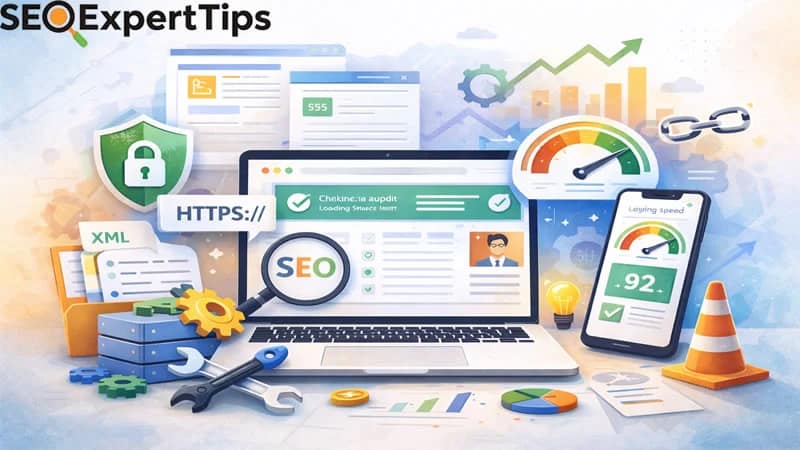
Website speed is one of the most important technical factors. Pages that load faster are more usable and often rank higher in search results. Optimizing images, reducing unnecessary code, and improving server performance can significantly improve loading times.
Important technical improvements include:
• Using secure HTTPS connections
• Creating an XML sitemap
• Fixing broken links
• Improving mobile responsiveness
• Optimizing page loading speed
Technical improvements also support better search engine optimization (SEO) because they help search engines crawl your website efficiently. If search engines cannot easily access your pages, your content may not appear in search results. Another part of technical optimization involves structured website architecture. When pages are organized logically, search engines can understand the relationship between topics.
Businesses that follow SEO Basics for Small Business should regularly monitor website performance using analytics tools. These tools help identify issues such as slow-loading pages, crawl errors, and indexing problems. By maintaining strong technical foundations, small businesses ensure their content can be discovered, indexed, and ranked effectively by search engines.
Conclusion
SEO offers small businesses a powerful way to grow online visibility and attract new customers. By understanding how search engines work and focusing on helpful content, even a small company can compete in search results. The key is consistency, patience, and a clear strategy. The most important principles include keyword research, content creation, on-page optimization, local SEO, and technical improvements.
Each of these areas supports stronger rankings and better user experience. When businesses follow the core principles of SEO Basics for Small Business, they create a website that search engines trust and users value. Over time, this leads to increased visibility, steady website traffic, and long-term business growth.
Frequently Asked Questions
What Is SEO and Why Is It Important for Small Businesses?
SEO is the process of improving a website so it appears higher in search engine results. For small businesses, SEO helps attract customers who are actively searching for products or services online. It provides long-term visibility without the constant cost of advertising.
How Long Does It Take for SEO to Show Results?
SEO usually takes several months to produce noticeable results. Search engines need time to crawl, analyze, and rank website content. Consistent updates and quality content often lead to gradual improvements in rankings and traffic.
Can Small Businesses Do SEO Without Hiring an Expert?
Yes. Many small businesses manage basic SEO tasks themselves. Learning keyword research, improving content, and optimizing page structure can significantly improve visibility without advanced technical skills.
What Is the Difference Between Organic Traffic and Paid Traffic?
Organic traffic comes from unpaid search results when users click on a website listed naturally in search engine results. Paid traffic comes from advertisements where businesses pay for each click.
Why Is Local SEO Important for Small Businesses?
Local SEO helps businesses appear in location-based searches. When customers search for nearby services, businesses with strong local SEO often appear in Google Maps and local search listings, bringing more potential customers to their websites.