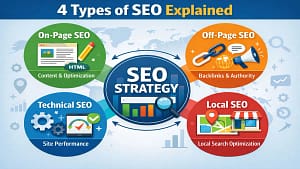
Search engine optimization includes many activities that help a website become visible online. Some tasks happen on the website itself, while others happen outside the website. Off-Page SEO Expert to all the actions done away from your website that improve its search visibility. These actions help search engines understand that your site is trustworthy and valuable.
Many search engines rely on signals beyond the website to decide rankings. These signals include backlinks, brand mentions, and online reputation. When trusted sites talk about your content, search engines see it as a positive sign. This helps improve website authority and increases the chances of ranking higher in search results.
A skilled Off-Page SEO Expert focuses on building strong signals that search engines can trust. These signals show that your content is respected by other websites and communities online. As a result, your site gains credibility in your niche.
Several important elements influence off-site SEO performance:
• Backlinks from trusted websites
• Brand mentions across the web
• Online reviews and reputation
• Social media engagement
• Digital PR and outreach
Search engines also analyze how often a brand is searched online. These branded searches show that people recognize and trust the brand. When a website earns attention across different platforms, it builds strong SEO authority. In simple terms, Off-Page SEO Expert works like online reputation building. The more trusted websites and users talk about your content, the stronger your search visibility becomes.
Why Off-Page SEO Matters More in 2026
Search engines have evolved a lot over the past few years. Modern algorithms now analyze credibility, reputation, and trust signals more deeply than before. This is why Off-Page SEO has become even more important in 2026. Google no longer looks only at content quality.
It also evaluates signals such as authority backlinks, brand signals, and online reputation. If other trusted websites link to your content, search engines assume your information is reliable. This helps improve rankings. Another major factor is EEAT, which stands for experience, expertise, authority, and trust.
These elements help search engines determine whether a website deserves to rank higher. Many of these signals come from outside your website. A professional Off-Page SEO Expert focuses on building these external trust signals across the internet. This includes improving brand mentions, securing backlinks, and increasing brand recognition.
Off-Page SEO is also important for AI search systems. Modern search platforms analyze content across many sources. They look for consistent mentions and references across the web before recommending a brand or website.
Some important ranking signals include:
• High-quality backlinks from authority websites
• Mentions on blogs and industry platforms
• Online reviews and reputation signals
• Social engagement and sharing
• Branded search traffic
These signals help search engines understand that your website is respected in your industry. When multiple trusted sources mention your brand, your authority grows. In 2026, search engines rely heavily on external signals. This means strong off-site SEO strategies are essential for long term search visibility and growth.
Read More: Off-Page SEO Checklist for Better Rankings
The Role of Backlinks in Modern SEO
Backlinks remain one of the strongest ranking signals in search engine optimization. A backlink is simply a link from another website pointing to your site. When reputable websites link to your content, it shows search engines that your content is useful and trustworthy. However, the quality of links matters more than the number of links. Search engines now focus on authority backlinks from trusted websites.
A few strong links can often perform better than hundreds of low-quality links. A knowledgeable Off-Page SEO Expert always focuses on earning natural and relevant links. These links should come from websites within the same industry or topic area. This helps search engines understand that the connection between the sites is meaningful.
Several factors influence the strength of a backlink:
• Authority of the linking website
• Relevance to your niche
• Natural placement within the content
• Anchor text used in the link
• Diversity of referring domains
Search engines also evaluate the overall pattern of backlinks. A healthy link profile contains links from different sources, including blogs, media sites, and industry platforms.
Strong link-building strategies often include:
• Guest blogging on industry sites
• Digital PR outreach
• Research-based content
• Expert interviews and collaborations
These methods help attract natural links from trusted sources. When done correctly, backlinks can significantly improve domain authority and search visibility. In modern SEO, backlinks are not just about rankings. They also drive referral traffic and help introduce your brand to new audiences across the internet.
Building Brand Signals That Strengthen SEO
Brand signals have become an important part of modern search engine optimization. These signals show search engines that your brand exists across many platforms and is recognized by users. When people search for your brand name directly, it sends a strong signal to search engines. These branded searches show that users already trust your brand.
As a result, search engines may consider your website more authoritative. An experienced Off-Page SEO Expert works to increase brand signals across different online channels. This includes social media, industry blogs, podcasts, and online communities.
Brand signals can come from many different sources:
• Mentions on blogs and news sites
• Social media discussions
• Brand searches on Google
• Community forums and discussions
• Reviews on trusted platforms
Even unlinked mentions can contribute to your SEO authority. When trusted websites talk about your brand, search engines recognize that your brand influences the industry. One effective way to build brand signals is by sharing useful content regularly. When people find value in your content, they are more likely to share it and mention it online.
Another powerful strategy is video marketing. Platforms like YouTube help brands reach large audiences. When viewers search for your brand after watching your videos, branded searches increase. Strong brand signals help search engines connect your brand with specific topics. Over time, this strengthens your authority and improves search visibility across many keywords.
Using Guest Posting to Earn Authority Links
Guest posting remains one of the most effective link-building strategies in SEO. It involves writing articles for other websites within your industry. In return, you usually receive a backlink to your website. When done correctly, guest posting helps build authority backlinks and expand your audience reach. It also allows you to share expertise with new readers who may not know about your brand yet.
A skilled Off-Page SEO Expert focuses on publishing guest articles on trusted websites with strong reputations. This ensures the backlinks gained from these posts carry real SEO value. The goal of guest posting is not only to get links but also to build relationships within your industry. When respected websites publish your content, your credibility increases.
A good guest posting strategy includes the following steps:
• Identify high authority websites in your niche
• Pitch useful content ideas to editors
• Write helpful and informative articles
• Include natural backlinks within the content
• Build relationships with site owners
Quality guest posts provide genuine value to readers. This means the content should focus on solving problems or sharing insights instead of promoting products. Search engines also look at the context of backlinks. Links placed naturally within useful content appear more trustworthy than links placed in promotional sections. When guest posting is done consistently, it helps create a diverse link profile. This improves SEO authority and strengthens your website’s reputation across the web.
The Power of Digital PR and Online Mentions
Digital PR has become a powerful tool for improving off-site SEO. It focuses on gaining visibility for your brand through media coverage, interviews, and industry mentions. When respected publications mention your brand, search engines treat these mentions as authority signals.
Even if the mention does not include a link, it still helps build trust and recognition. A professional Off-Page SEO Expert often uses digital PR strategies to secure mentions in blogs, magazines, and online publications. These mentions help improve both reputation and search visibility.
Digital PR strategies often include:
• Publishing research reports
• Sharing industry insights
• Participating in expert interviews
• Contributing quotes to journalists
• Launching newsworthy announcements
Research-based content often performs very well in digital PR campaigns. Journalists frequently cite statistics and studies when writing articles. If your content includes useful data, it has a higher chance of earning mentions. Another effective method is participating in expert roundups. Many blogs invite industry experts to share their opinions on a topic. These roundups often include backlinks and brand mentions.
Online mentions help search engines understand that your brand is trusted by others. When multiple respected sources talk about your brand, it strengthens your reputation signals. Over time, digital PR can generate both backlinks and brand awareness. This combination helps build authority and improve long-term SEO performance.
Improving EEAT With Off Site Signals
EEAT plays an important role in modern search engine rankings. It stands for experience, expertise, authority, and trust. These factors help search engines decide whether a website provides reliable information. While some EEAT signals come from your website, many important signals come from external sources.
Search engines analyze how other websites talk about your brand and content. An experienced Off-Page SEO Expert focuses on improving EEAT through off-site signals. These signals help prove that your brand is trusted and recognized within your industry.
Some strong EEAT signals include:
• Mentions on authority websites
• Positive online reviews
• Citations from trusted publications
• Expert interviews and contributions
• Recommendations from industry professionals
Online reviews are especially important for businesses. Positive reviews show search engines that real users trust your services. This helps improve credibility and visibility in search results. Awards and recognitions also contribute to EEAT. When industry organizations recognize your work, it sends strong authority signals.
Another effective method is publishing expert content that others reference. When bloggers and journalists cite your work, your authority grows. Strong EEAT signals make it easier for search engines to trust your website. Over time, this trust helps improve rankings and increases your visibility across competitive search terms.
Read More: 15 Powerful Off-Page SEO Tips to Rank #1 on Google
Creating Link-Worthy Content That Attracts Backlinks
High-quality content plays a huge role in Off-Page SEO success. While outreach and promotion help, the best links often come naturally from valuable content. Content that provides unique insights or useful information tends to attract backlinks over time.
When other websites reference your content as a resource, search engines see it as an authority signal. A strategic Off-Page SEO Expert focuses on creating content that people naturally want to share and cite. This type of content is often called link-worthy content.
Examples of link-worthy content include:
• Original research studies
• Industry statistics pages
• Step-by-step guides
• Visual infographics
• Data-driven case studies
Research-based content often performs especially well. Bloggers and journalists frequently cite statistics when writing articles. If your site provides useful data, it becomes a valuable resource. Visual content can also attract links. Infographics and charts help simply explain complex ideas. Many websites embed these visuals and credit the source with a link.
Another effective strategy is creating detailed guides. Comprehensive guides help readers understand a topic completely, making them highly shareable. When content is helpful and easy to understand, people naturally reference it. Over time, this builds a strong backlink profile and improves search authority.
Tracking Off-Page SEO Results and Performance
Measuring the results of Off-Page SEO activities is essential for long term success. Without proper tracking, it is difficult to understand which strategies are working. An experienced Off-Page SEO Expert regularly analyzes key performance metrics. These metrics help evaluate the impact of backlinks, brand mentions, and other SEO signals. Several tools can help monitor off-site SEO performance. These tools track link growth, domain authority, and referral traffic.
Important metrics to monitor include:
• Number of referring domains
• Growth of authority backlinks
• Brand mentions across the web
• Changes in domain authority
• Referral traffic from external websites
Brand monitoring tools can track where your brand is mentioned online. These mentions may appear on blogs, forums, or news websites. Monitoring them helps you understand how your brand reputation is evolving. Search analytics tools can also reveal branded search trends. When more users search for your brand name, it indicates stronger brand recognition.
It is also important to analyze the quality of backlinks. Links from trusted websites provide more value than links from unknown or spam sites. Tracking these metrics helps refine your SEO strategy over time. By focusing on the most effective techniques, you can build stronger authority and achieve consistent growth in search visibility.
Conclusion
Off-Page SEO plays a major role in search engine rankings and online visibility. Search engines rely heavily on external signals to determine whether a website is trustworthy and authoritative. Backlinks, brand mentions, reviews, and online reputation all contribute to these signals.
Successful SEO strategies focus on building real authority across the web. This includes earning high-quality backlinks, creating valuable content, and gaining mentions from trusted sources. Digital PR, guest posting, and research-based content are effective ways to achieve this.
Building strong brand signals also improves credibility and recognition. When users search for your brand and discuss it online, search engines see your website as more reliable. With consistent effort and strategic planning, Off-Page SEO can significantly improve search visibility and long-term growth.
Frequently Asked Questions
What Does an Off-Page SEO Expert Do?
An Off-Page SEO expert focuses on improving search rankings through activities outside the website. These include building backlinks, gaining brand mentions, improving online reputation, and increasing brand awareness across the internet.
Why Are Backlinks Important for SEO?
Backlinks act as trust signals for search engines. When trusted websites link to your content, search engines assume your information is valuable. High-quality backlinks can improve rankings and increase website authority.
How Long Does Off-Page SEO Take to Show Results?
Off-Page SEO results usually take several months to appear. Building authority backlinks and brand signals takes time. However, consistent strategies can lead to long-term improvements in rankings and traffic.
What Is the Difference Between On-Page and Off-Page SEO?
On-page SEO involves optimizing elements within your website, such as content, keywords, and internal links. Off-Page SEO focuses on external signals like backlinks, brand mentions, and online reputation.
Can Social Media Help Off-Page SEO?
Social media does not directly influence rankings, but it can increase visibility and brand awareness. When people share your content, it can lead to more backlinks, mentions, and branded searches. These signals indirectly support SEO growth.