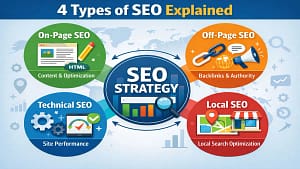
Search engine optimization is not limited to optimizing website pages alone. While on-page SEO ensures that your content is structured and technically sound, it is not enough to achieve top rankings in competitive search results. Google also evaluates a website’s authority, credibility, and popularity across the web. These signals come primarily from off-page SEO.
Off-page SEO focuses on external factors such as backlinks, brand mentions, social visibility, and online reputation. When other websites recommend, reference, or link to your content, search engines interpret this as trust and relevance.
This article presents 15 powerful off-page SEO tips that can help improve your website’s authority and increase the likelihood of ranking higher on Google.
What is Off-Page SEO?
Off-page SEO refers to all activities performed outside your website to improve search engine rankings.
These activities help search engines determine:
- How trustworthy your website is
- How popular your brand is
- How authoritative your content appears
- How frequently other websites reference you
In simple terms, off-page SEO builds your website’s reputation on the internet.
Read More: How to Boost SEO on Google in 2026
15 Powerful Off-Page SEO Tips
1. Build High-Quality Backlinks
Backlinks remain one of the strongest ranking factors in Google’s algorithm. When reputable websites link to your content, it signals credibility.
Focus on:
- Relevant websites
- Authoritative domains
- Natural link placements
Avoid spammy or low-quality links, as they may harm rankings.
2. Publish Guest Posts on Authority Blogs
Guest posting allows you to contribute content to established websites within your niche.
Benefits include:
- Quality backlinks
- Increased traffic
- Greater brand exposure
Ensure that your guest articles provide genuine value rather than promotional content.
3. Create Shareable and Valuable Content
High-quality content naturally attracts links and shares.
Content types that perform well include:
- Detailed guides
- Case studies
- Research reports
- Infographics
- Checklists
When content solves problems effectively, other websites are more likely to reference it.
4. Promote Content on Social Media
Although social signals are not direct ranking factors, they increase visibility.
Greater exposure leads to:
- More readers
- More shares
- More backlink opportunities
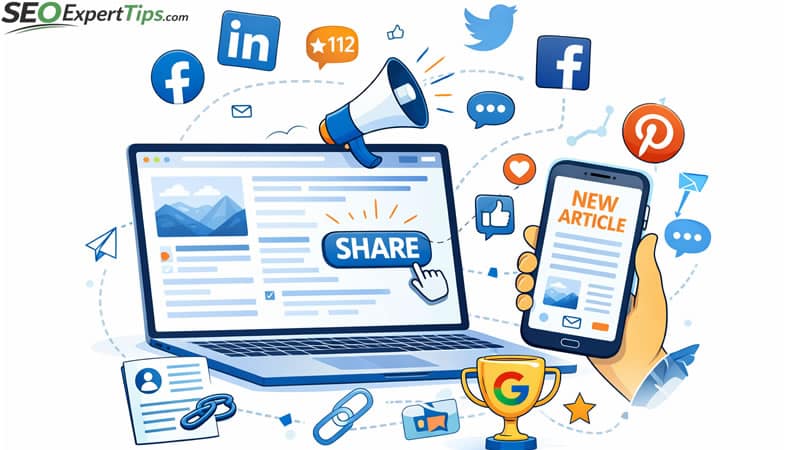
Regularly share your articles on platforms such as LinkedIn, Facebook, Twitter, and Pinterest.
5. Conduct Outreach and Relationship Building
Building relationships with bloggers, publishers, and influencers can lead to natural mentions and backlinks.
Effective strategies include:
- Personalized email outreach
- Collaborations
- Interviews
- Partnerships
Networking often results in long-term SEO benefits.
Read More: Content Marketing Strategy in 2026
6. Submit to Local Business Listings
For local businesses, directory listings are essential.
Register your website on:
- Google Business Profile
- Yelp
- Bing Places
- Industry-specific directories
These listings improve local search visibility and build trust.
7. Participate in Industry Forums
Engaging in relevant forums and communities establishes expertise.
Provide helpful answers and share your resources when appropriate. This can generate referral traffic and potential backlinks.
Avoid excessive self-promotion.
8. Use Strategic Blog Commenting
Commenting on relevant blogs can increase visibility when done properly.
Best practices include:
- Adding meaningful insights
- Contributing to the discussion
- Avoiding spammy links
Quality engagement improves credibility.
9. Leverage Influencer Marketing
Influencers already have established audiences and trust.
Collaborating with them through:
- Reviews
- Mentions
- Interviews
- Sponsored content
can generate strong exposure and authoritative backlinks.
10. Implement Broken Link Building
Broken link building is an effective and ethical link-building technique.
Steps:
- Identify broken links on websites
- Contact the website owner
- Suggest your relevant content as a replacement
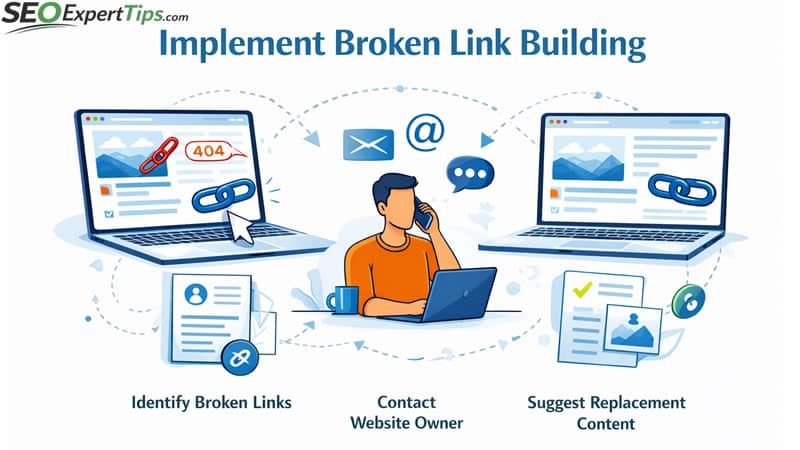
This benefits both parties and often results in quality links.
11. Repurpose Content Across Platforms
Repurposing content increases reach.
Convert blog posts into:
- Videos
- Slides
- Infographics
- Social posts
- Podcasts
Multiple formats increase visibility and backlink opportunities.
12. Encourage Brand Mentions
Search engines recognize brand mentions even when links are not included.
You can gain mentions through:
- Public relations
- Interviews
- Podcasts
- Guest appearances
These strengthen brand authority and recognition.
13. Submit to Reputable Web Directories
Quality directories can still provide value.
Choose:
- Niche-specific directories
- Trusted business directories
- Professional platforms
Avoid low-quality or automated directory submissions.
Read More: SEO Expert Advice: Proven Strategies to Rank Higher on Google
14. Build a Strong Personal or Business Brand
Brands earn links more easily than unknown websites.
Establish authority by:
- Publishing consistently
- Sharing expertise
- Building a professional online presence
- Engaging with your audience
Trust leads to organic backlinks.
15. Monitor and Manage Your Backlinks
Regular backlink analysis helps maintain SEO health.
Use tools such as:
- Google Search Console
- Ahrefs
- SEMrush
Monitor:
- New links
- Lost links
- Toxic links
Disavow harmful links when necessary.
Common Off-Page SEO Mistakes to Avoid
- Buying backlinks
- Using spam directories
- Automated link building
- Posting irrelevant links
- Ignoring link quality
These practices can lead to penalties rather than improvements.
SEOExpertTips: Conclusion
Off-page SEO plays a critical role in achieving high search engine rankings. While on-page optimization ensures your website is technically sound, off-page efforts establish trust and authority.
By consistently applying the strategies outlined in this guide, such as building quality backlinks, promoting content, networking, and monitoring performance, you can strengthen your online presence and improve your chances of ranking at the top of Google. Successful SEO requires patience, consistency, and a focus on long-term value rather than shortcuts.
Frequently Asked Questions (FAQs)
What is Off-Page SEO in simple words?
Off-page SEO refers to all the actions taken outside your website to improve its search engine rankings. This includes building backlinks, promoting content, increasing brand awareness, and gaining trust from other websites. It helps search engines understand that your site is credible and authoritative.
Why is Off-Page SEO important for ranking on Google?
Google considers backlinks and external signals as votes of trust. If multiple reputable websites link to your content, Google assumes your site provides value. This increases your chances of ranking higher in search results.
Which is more important: On-Page SEO or Off-Page SEO?
Both are equally important. On-page SEO ensures your website is optimized technically and structurally, while off-page SEO builds authority and trust. Without off-page SEO, it is difficult to compete in highly competitive niches.
How many backlinks do I need to rank on the first page?
There is no fixed number. Ranking depends more on the quality and relevance of backlinks rather than quantity. A few links from authoritative websites are often more powerful than hundreds of low-quality links.
Is guest posting still effective for Off-Page SEO?
Yes, guest posting remains one of the most effective off-page strategies when done properly. Publishing helpful and informative content on reputable blogs helps you earn quality backlinks and reach a broader audience.
Do social media shares help with SEO?
Social media shares are not direct ranking factors, but they increase visibility. More visibility can lead to more visitors, shares, and backlinks, which indirectly improve rankings.
What are bad or toxic backlinks?
Toxic backlinks come from spammy, irrelevant, or low-quality websites. These links can harm your site’s reputation and rankings. It is important to regularly monitor your backlink profile and remove or disavow harmful links.
How long does Off-Page SEO take to show results?
Off-page SEO is a long-term strategy. Results typically take several weeks or months, depending on your niche, competition, and consistency. Sustainable growth requires patience and continuous effort.
Can I rank without backlinks?
It is possible for low-competition keywords, but for most industries, backlinks are essential. Without them, it becomes difficult to build authority and compete with established websites.
What is the safest Off-Page SEO strategy for beginners?
Beginners should focus on ethical methods such as creating quality content, guest posting, social promotion, networking, and earning natural backlinks. Avoid shortcuts like buying links or using spam techniques.